Laser Proctology: Modern Laser Treatment for Piles, Anal Fissure, Anal Fistula and Other Anorectal Diseases
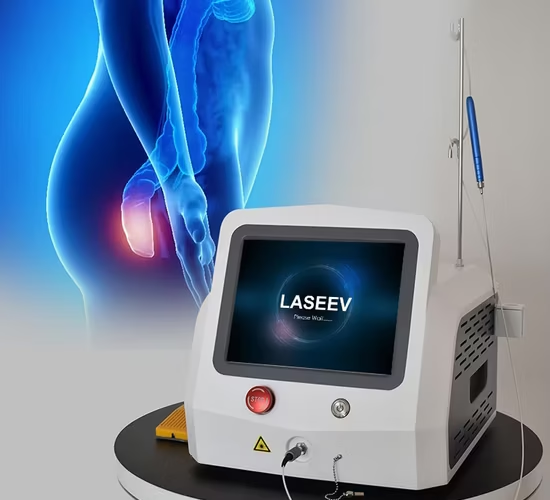
By Surgeon Dr. Imtiaz Hussain (Gold Medalist)
MBBS, FCPS, FACS (USA), Advanced Laparoscopy (Germany), CHPE
General & Laparoscopic Surgeon | Piles, Fissure & Fistula Specialist
Lahore, Pakistan
Introduction: What Is Laser Proctology?
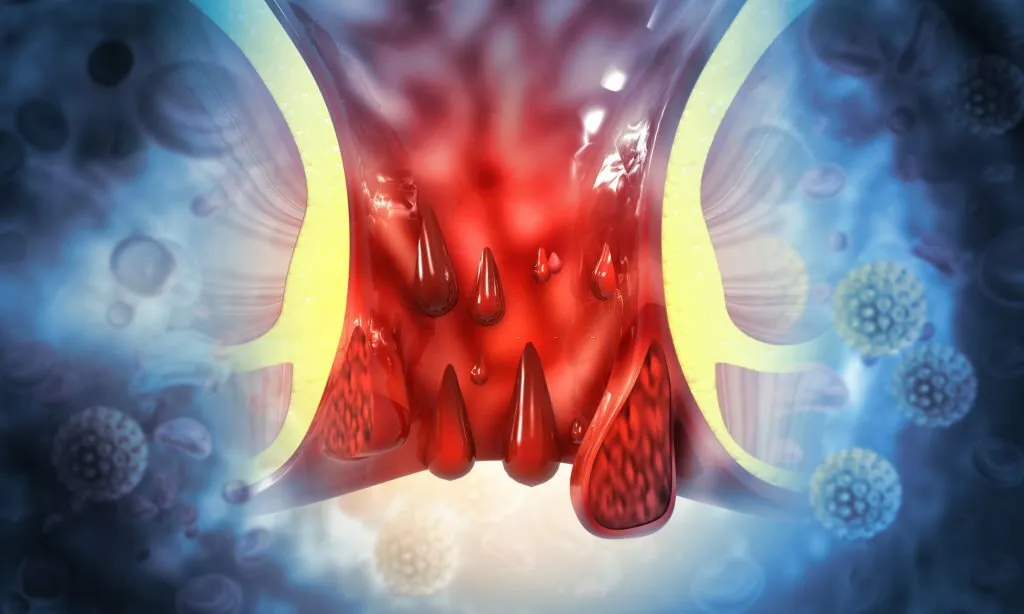
Laser Proctology is a modern branch of surgical treatment that uses advanced laser technology to manage selected diseases of the anus, rectum and surrounding perianal region.
Over the past few years, laser-assisted procedures have become increasingly popular because they offer minimally invasive treatment options for certain anorectal conditions. Depending on the disease and the technique used, laser energy can be applied to shrink abnormal hemorrhoidal tissue, close an anal fistula tract, or assist in treating other selected anorectal problems.
Traditional surgery remains an important and effective treatment option for many patients. However, modern laser technology has introduced alternative approaches that may reduce surgical trauma, postoperative discomfort, wound size and recovery time in appropriately selected patients.
Laser Proctology is not a single operation. It is a collection of different laser-assisted techniques, each designed for a particular condition.
At our practice in Lahore, Pakistan, we provide modern laser-assisted treatment options for selected patients suffering from piles, anal fissure, anal fistula and other proctological conditions.
The most important principle is that the appropriate procedure must be selected according to the patient’s diagnosis, disease severity, anatomy and overall health.
1. What Is Laser Surgery and How Does It Work?
A surgical laser is a medical device that produces concentrated light energy at a specific wavelength.
This energy can interact with body tissues in different ways, depending on:
- The laser wavelength.
- The power and duration of energy delivery.
- The type of laser fibre used.
- The distance between the laser fibre and the tissue.
- The nature of the targeted tissue.
- The surgical technique being performed.
In proctological procedures, specialized laser fibres are introduced into or near the affected tissue. Controlled laser energy produces a desired tissue effect, such as coagulation, shrinkage, controlled thermal injury or closure of a pathological tract.
Modern diode laser systems commonly used in proctology include wavelengths such as 980 nm and 1470 nm.
The 1470 nm wavelength is commonly used in FiLaC procedures, while both 980 nm and 1470 nm wavelengths have been used for laser hemorrhoidoplasty.
The surgeon must carefully select the appropriate energy settings and technique to minimize unnecessary thermal damage to surrounding healthy tissues.
2. What Diseases Can Be Treated with Laser Proctology?
Laser-assisted procedures may be used for several anorectal conditions.
A. Laser Treatment for Piles (Hemorrhoids)
Piles, medically known as hemorrhoids, are enlarged or symptomatic vascular cushions located inside or around the anal canal.
Common symptoms include:
- Fresh red bleeding during or after bowel movements.
- Protrusion of tissue during defecation.
- Itching and irritation around the anus.
- Mucus discharge.
- Discomfort or difficulty maintaining local hygiene.
- Pain in cases involving thrombosis or associated complications.
What Is Laser Hemorrhoidoplasty (LHP)?
Laser Hemorrhoidoplasty is a minimally invasive technique used mainly for selected internal hemorrhoids.
During this procedure, a specialized laser fibre is introduced into the hemorrhoidal tissue. Controlled laser energy produces coagulation and shrinkage of the abnormal hemorrhoidal tissue.
Over time, the treated tissue contracts and undergoes fibrosis, which can reduce the size of the hemorrhoidal cushions.
Potential Benefits of Laser Piles Surgery:
- Minimally invasive approach.
- Smaller surgical wounds or puncture sites.
- Less postoperative pain in appropriately selected patients compared with conventional excisional hemorrhoidectomy.
- Reduced tissue cutting and removal.
- Less postoperative bleeding in many cases.
- Faster return to routine activities in suitable patients.
- Preservation of surrounding anal tissues.
- No large open wound in standard laser hemorrhoidoplasty.
Which Grades of Piles Can Be Treated?
Laser hemorrhoidoplasty may be particularly useful in selected patients with Grade II and Grade III internal hemorrhoids. Some Grade I and selected Grade IV cases may also be considered depending on their anatomy and associated problems.
However, advanced prolapsing hemorrhoids, significant external components, thrombosed external piles and large skin tags may require additional or alternative surgical procedures.
Laser hemorrhoidoplasty does not automatically eliminate every external hemorrhoid or excess skin tag.
The final treatment decision should be based on a proper examination.
B. Laser Treatment for Anal Fistula (FiLaC)
An anal fistula is an abnormal tunnel connecting the anal canal or rectum with the skin around the anus.
It commonly develops following an infection or abscess near the anus.
Common Symptoms of Anal Fistula:
- Recurrent pus discharge near the anus.
- Persistent or intermittent pain.
- Swelling around the anal opening.
- Repeated formation of perianal abscesses.
- Blood-stained discharge.
- A small external opening near the anus.
- Recurrent infection despite previous treatment.
What Is FiLaC?
FiLaC stands for Fistula-tract Laser Closure.
It is a sphincter-preserving laser-assisted technique designed to treat selected anal fistulas while minimizing damage to the anal sphincter muscles.
During the procedure:
- The fistula tract is carefully identified and assessed.
- The tract is examined and prepared according to the surgical findings.
- A specialized radial-emitting laser fibre is introduced into the fistula tract.
- Controlled laser energy is delivered while the fibre is gradually withdrawn.
- The thermal effect causes contraction and closure of the fistula tract.
- The internal opening and any associated infection are addressed according to the operative plan.
Potential Benefits of FiLaC:
- Minimally invasive technique.
- Sphincter-preserving approach.
- Less cutting of the anal sphincter muscles.
- Smaller surgical wounds.
- Reduced postoperative discomfort in many patients.
- Less tissue trauma.
- Potentially faster recovery.
- Lower risk of sphincter-related functional damage compared with procedures that divide significant amounts of sphincter muscle.
One of the most important advantages of FiLaC is its sphincter-preserving approach.
This is particularly relevant in patients with transsphincteric or selected complex fistulas, where preservation of continence is an important surgical consideration.
Is Laser Treatment Successful for Every Anal Fistula?
No. Although FiLaC is a valuable modern technique, it does not guarantee complete fistula healing in every patient.
The success of treatment depends on:
- The type of fistula.
- Its anatomical location.
- The length and complexity of the tract.
- The presence of multiple branches.
- The location of the internal opening.
- Associated abscesses or infection.
- Previous fistula operations.
- The presence of Crohn’s disease or other underlying conditions.
Simple fistulas and selected complex fistulas may be suitable for FiLaC.
However, high, branching, horseshoe-shaped and recurrent fistulas require particularly careful evaluation.
In some cases, MRI of the pelvis with a dedicated fistula protocol is helpful in identifying the primary tract, secondary extensions and hidden abscesses.
For patients with active infection or an undrained abscess, controlling the infection and achieving adequate drainage are essential. Laser closure alone should not be used as a substitute for appropriate abscess drainage.
Depending on the anatomy, a staged procedure, seton placement, LIFT procedure, advancement flap or another surgical technique may be more appropriate.
C. Laser-Assisted Treatment for Anal Fissure
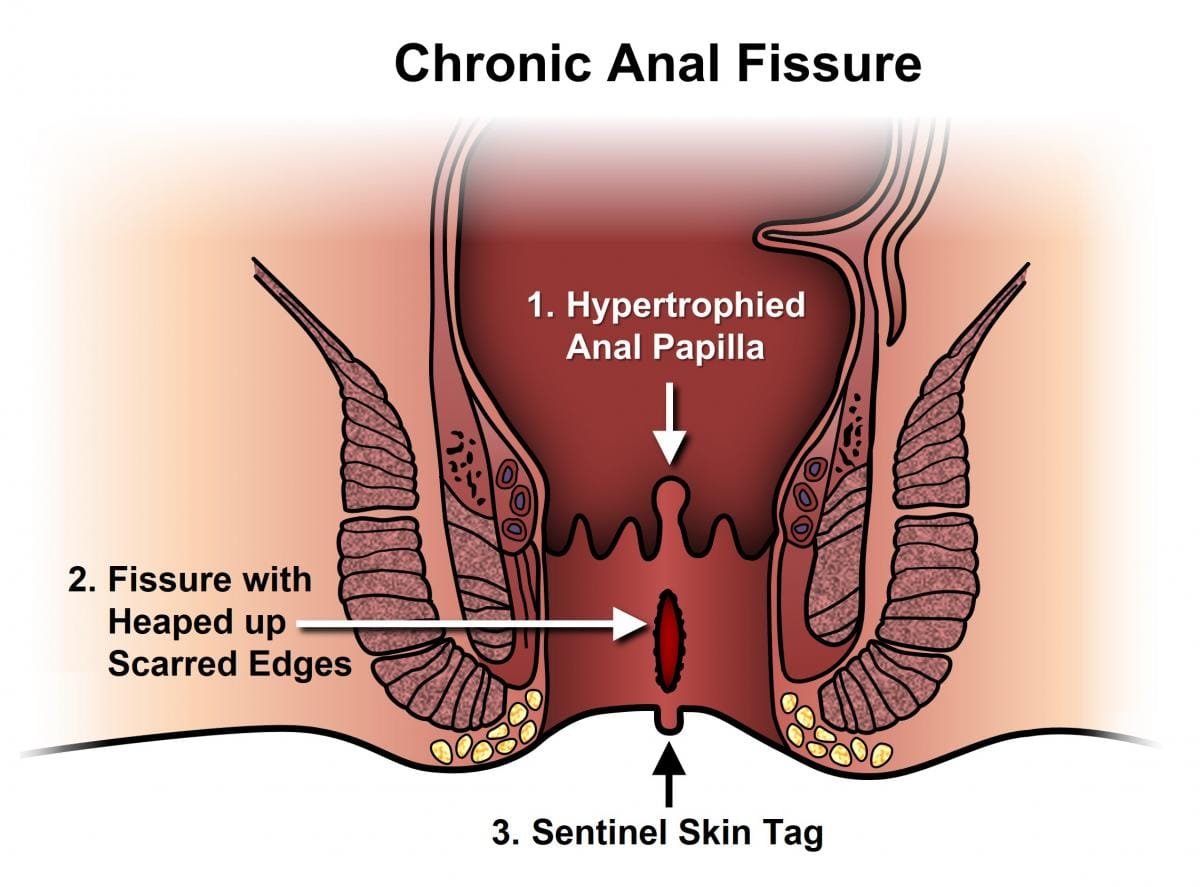
An anal fissure is a small tear or ulcer in the lining of the anal canal.
It commonly causes:
- Severe pain during defecation.
- Burning sensation after passing stool.
- Fresh bleeding.
- Pain that may continue for several hours after bowel movements.
- Chronic discomfort and fear of defecation.
Chronic fissures may be associated with a sentinel skin tag, exposed internal sphincter fibres and increased internal anal sphincter tone.
Can Laser Be Used for Anal Fissure?
Laser-assisted techniques may be used in selected patients as part of fissure treatment. However, laser treatment is not a universally established replacement for conventional evidence-based fissure management.
Treatment depends on whether the fissure is acute or chronic and whether increased sphincter tone is present.
Initial management generally includes:
- Dietary fibre.
- Adequate fluid intake.
- Stool softeners when indicated.
- Warm sitz baths.
- Topical medications such as calcium channel blockers or glyceryl trinitrate when appropriate.
For chronic fissures that do not respond to medical treatment, surgical options may include lateral internal sphincterotomy (LIS), fissurectomy and selected sphincter-preserving procedures.
Laser may be used for selected tissue-related aspects of treatment, but it does not automatically correct the underlying sphincter hypertonia.
Therefore, the correct procedure must be selected after clinical assessment.
D. Laser Treatment for Pilonidal Sinus
Pilonidal sinus is a condition involving a tract or cavity in the skin and subcutaneous tissue, usually located in the natal cleft near the tailbone.
Common symptoms include:
- Pain near the tailbone.
- Recurrent swelling.
- Pus discharge.
- Repeated infections.
- Abscess formation.
- Difficulty sitting comfortably.
Laser-assisted pilonidal sinus treatment, commonly referred to as SiLaC (Sinus Laser Closure), is a minimally invasive technique used in selected patients.
During the procedure, the sinus tract is cleaned and prepared, and a specialized laser fibre is introduced into the tract to deliver controlled energy.
This causes contraction and closure of the sinus cavity.
Potential Advantages:
- Smaller wounds.
- Less tissue removal.
- Reduced postoperative discomfort.
- Potentially faster recovery.
- Smaller scars in suitable cases.
- Earlier return to routine activities.
However, extensive disease, multiple lateral extensions, large abscesses and recurrent complicated pilonidal sinus may require a different surgical approach.
Laser treatment should not replace proper drainage of an acute abscess.
E. Laser Treatment for Other Conditions
Laser technology is also used in other surgical specialties.
For example, endovenous laser ablation is used for selected cases of varicose veins.
However, varicose vein treatment is a vascular surgical application and is separate from anorectal laser procedures.
The technique, equipment and treatment principles depend on the specific disease being treated.
3. Major Advantages of Laser Proctology
Laser-assisted procedures offer several potential advantages over selected conventional surgical techniques.
1. Minimally Invasive Treatment
Many laser procedures require smaller access points and less tissue cutting than conventional excisional surgery.
2. Less Postoperative Pain
Because some laser procedures involve less tissue dissection and preserve surrounding structures, patients may experience less postoperative pain.
The degree of discomfort still depends on the procedure, disease severity and individual pain sensitivity.
3. Reduced Bleeding
Laser energy produces controlled thermal effects and coagulation, which can help reduce bleeding during certain procedures.
4. Smaller Wounds
Many laser-assisted techniques avoid large open surgical wounds.
This may improve wound management and patient comfort.
5. Faster Recovery
Selected patients may return to routine activities earlier than after more extensive conventional operations.
However, recovery time varies according to the disease and the procedure performed.
6. Preservation of Healthy Tissues
Modern laser techniques aim to treat the affected tissue while minimizing unnecessary injury to surrounding healthy structures.
This is particularly important in sphincter-preserving fistula procedures.
7. Less Postoperative Wound Care in Selected Cases
Smaller wounds may require less extensive wound care compared with procedures involving large open surgical wounds.
8. Improved Patient Comfort
The combination of smaller wounds, reduced tissue trauma and potentially less pain can improve the overall treatment experience.
4. Limitations and Disadvantages of Laser Proctology
Although laser surgery is a modern and useful technology, it is important to understand its limitations.
No surgical technique is suitable for every patient.
1. Not Every Disease Can Be Treated With Laser Alone
Different anorectal diseases require different surgical approaches.
For example, an anal abscess requires appropriate drainage. Simply applying laser energy without treating the infection is not adequate management.
2. Complex Anal Fistulas Can Be Challenging
Complex fistulas may contain multiple branches, secondary extensions, horseshoe-shaped tracts or hidden abscesses.
In such cases, laser treatment alone may not provide adequate disease control.
A combination of surgical procedures may be required.
3. Risk of Recurrence
One of the limitations of laser fistula treatment and laser hemorrhoidoplasty is the possibility of recurrence.
A fistula may fail to heal completely or may reopen after initial closure.
Similarly, hemorrhoidal symptoms can return if the underlying disease or contributing bowel habits are not properly managed.
4. Not All External Hemorrhoids Are Suitable for Laser Hemorrhoidoplasty
Laser hemorrhoidoplasty mainly targets internal hemorrhoidal tissue.
Large external hemorrhoids, significant skin tags and certain advanced prolapsing hemorrhoids may require additional surgical treatment.
5. Equipment and Technical Expertise Are Essential
Laser surgery requires specialized equipment, appropriate laser fibres, knowledge of laser settings and adequate surgical training.
Incorrect energy delivery may cause unnecessary tissue injury.
6. Treatment Costs
Laser equipment and specialized consumables can increase treatment costs.
The financial aspect should be discussed with the patient before surgery.
7. Long-Term Results May Vary
Although published studies have demonstrated promising results for several laser techniques, the quality and duration of available evidence vary between procedures.
Some techniques have stronger clinical evidence than others.
For this reason, laser surgery should be selected on the basis of established clinical indications rather than marketing claims.
5. Laser Surgery Versus Conventional Surgery
Both laser-assisted and conventional surgical procedures have important roles in modern proctology.
| Feature | Laser-assisted surgery | Conventional surgery |
|---|---|---|
| Surgical approach | Often minimally invasive | May involve cutting or excision |
| Wound size | Often smaller | May be larger |
| Postoperative pain | Often less in selected procedures | May be more, depending on procedure |
| Bleeding | Often reduced | Depends on technique |
| Recovery | Potentially faster | May take longer |
| Tissue removal | Usually limited in ablative procedures | May involve excision |
| Recurrence | Possible | Also possible |
| Suitability | Depends on disease anatomy | Depends on disease anatomy |
It is important to understand that conventional surgery is not outdated or ineffective.
For some conditions, conventional procedures remain the most appropriate and reliable treatment.
The best operation is the one that provides adequate disease control while minimizing complications and preserving normal function.
6. Is Laser Surgery Safe?
Laser surgery can be safe and effective when performed by a properly trained surgeon using appropriate equipment and suitable surgical techniques.
However, like all surgical procedures, it carries potential risks.
Possible complications include:
- Postoperative pain.
- Bleeding.
- Swelling.
- Infection.
- Delayed healing.
- Incomplete closure of the treated tract.
- Recurrence of the disease.
- Thermal injury to surrounding tissues.
- Need for additional surgical treatment.
In anal fistula surgery, preservation of the anal sphincter and continence function is particularly important.
A proper preoperative assessment, accurate diagnosis and careful surgical planning are essential for achieving good outcomes.
7. Who Is an Ideal Candidate for Laser Proctology?
Patients who may benefit from laser-assisted procedures include those with:
- Symptomatic Grade II or selected Grade III hemorrhoids.
- Selected patients with Grade IV hemorrhoids after appropriate assessment.
- Simple anal fistulas.
- Selected complex anal fistulas where a sphincter-preserving approach is appropriate.
- Selected chronic anorectal conditions requiring minimally invasive treatment.
- Suitable pilonidal sinus disease.
However, suitability cannot be determined from symptoms alone.
A surgeon needs to assess the patient’s condition, perform an appropriate examination and review previous treatment history.
For selected complex fistulas, MRI may be recommended.
8. What Happens Before Laser Surgery?
Proper preparation is an important part of successful treatment.
Before surgery, the surgeon may recommend:
- Detailed medical history.
- Physical examination of the affected area.
- Digital rectal examination when appropriate.
- Proctoscopy or anoscopy when indicated.
- MRI pelvis for selected fistula cases.
- Blood investigations when necessary.
- Assessment of diabetes and other medical conditions.
- Review of previous operations and medications.
- Anesthesia assessment.
- Explanation of expected benefits, limitations and potential complications.
The surgical plan is finalized after reviewing all relevant findings.
9. Recovery After Laser Proctology
Recovery depends on the disease being treated and the specific procedure performed.
Many patients undergoing minimally invasive laser procedures can return to routine activities relatively early.
However, complete healing may take longer than the initial recovery period.
General postoperative advice may include:
- Follow the prescribed medications.
- Maintain adequate hydration.
- Eat a fibre-rich diet.
- Avoid constipation and excessive straining.
- Take stool softeners if prescribed.
- Maintain appropriate local hygiene.
- Use warm sitz baths when advised.
- Avoid prolonged sitting on the toilet.
- Attend scheduled follow-up appointments.
Patients should contact their surgeon if they develop fever, increasing pain, significant bleeding, worsening swelling or persistent pus discharge.
Do not assume that every postoperative symptom is normal.
10. Does Laser Surgery Guarantee a Permanent Cure?
No surgical procedure can guarantee a permanent cure in every patient.
Laser surgery can produce very good results in appropriately selected cases, but treatment outcomes depend on several factors.
These include:
- Correct diagnosis.
- Appropriate patient selection.
- Disease severity.
- Surgical technique.
- Surgeon experience.
- Associated medical conditions.
- Postoperative care.
- Management of constipation and other contributing factors.
The goal is not simply to use a laser. The goal is to achieve the best possible clinical outcome with minimum unnecessary tissue damage and maximum preservation of normal function.
11. Why Is the Experience of the Surgeon Important?
Modern surgical equipment is valuable, but equipment alone does not guarantee a successful operation.
The surgeon must understand the anatomy, disease process and limitations of each technique.
In proctology, the relationship between the anal canal, internal sphincter, external sphincter and surrounding tissues is particularly important.
Incorrect treatment of an anal fistula can lead to persistent disease, recurrence or impairment of continence.
Similarly, treating hemorrhoids without understanding their grade and external component may result in incomplete symptom relief.
Therefore, the surgeon’s experience, clinical judgment and ability to select the correct operation are essential.
12. Our Approach to Laser Proctology in Lahore, Pakistan
At our practice, we believe in combining modern surgical technology with sound clinical judgment.
Under the supervision of Surgeon Dr. Imtiaz Hussain (Gold Medalist), patients are evaluated individually to determine the most appropriate treatment option for their condition.
Our areas of proctological treatment include:
- Laser treatment for piles (hemorrhoids).
- Laser-assisted treatment for anal fistula (FiLaC).
- Assessment and treatment of anal fissures.
- Treatment of perianal abscesses.
- Treatment of pilonidal sinus.
- Management of recurrent and complicated anorectal diseases.
We aim to provide modern, minimally invasive surgical options wherever clinically appropriate.
We do not believe in recommending laser treatment simply because it is technologically advanced. We believe in selecting the procedure that is most suitable for the patient’s disease.
Frequently Asked Questions (FAQs)
Q1. What is Laser Proctology?
Laser Proctology is the use of specialized laser technology for the treatment of selected diseases affecting the anus, rectum and surrounding perianal region.
Q2. Is laser surgery better than traditional surgery?
Laser surgery may offer advantages such as smaller wounds, less postoperative pain and faster recovery in selected patients. However, conventional surgery may be more appropriate for other conditions. The choice depends on the patient’s diagnosis.
Q3. Can piles be completely cured with laser surgery?
Laser hemorrhoidoplasty can significantly reduce symptomatic internal hemorrhoidal tissue in suitable patients. However, recurrence is possible, and advanced external disease may require additional treatment.
Q4. Is laser treatment effective for anal fistula?
Yes. FiLaC is a modern sphincter-preserving technique that can produce good results in selected anal fistula patients. However, healing is not guaranteed, and complex fistulas may require additional procedures.
Q5. Does laser surgery damage the anal sphincter?
FiLaC is specifically designed to preserve the anal sphincter muscles. However, careful surgical planning is necessary, and no procedure is completely free of risk.
Q6. Is laser surgery painful?
Many patients experience less postoperative pain with selected laser procedures compared with more extensive conventional operations. However, some pain and discomfort are expected after surgery.
Q7. How long does recovery take after laser surgery?
Recovery varies according to the disease and procedure. Many patients resume routine activities relatively early, but complete healing can take several weeks or longer.
Q8. Can recurrent anal fistula be treated with laser?
Selected recurrent fistulas may be suitable for FiLaC. However, previous operations, scar tissue, multiple tracts and sphincter involvement must be carefully evaluated.
Q9. Is laser treatment suitable for Grade IV piles?
Some selected patients may benefit from laser-assisted treatment, sometimes combined with additional procedures. However, advanced prolapse and large external components may require conventional or combined surgery.
Q10. Is MRI necessary before laser fistula surgery?
MRI is not necessary for every simple fistula. However, it can be very useful for complex, recurrent or branching fistulas to map the disease accurately.
Q11. Can an anal abscess be treated with laser alone?
An acute anal abscess requires appropriate surgical drainage. Laser closure of a fistula is not a substitute for drainage of an undrained abscess.
Q12. Does laser surgery require general anesthesia?
The type of anesthesia depends on the procedure, the patient’s condition and the surgeon’s assessment. Spinal, general or other appropriate anesthetic techniques may be considered.
Conclusion: The Future of Modern Proctology
Laser Proctology represents an important development in modern surgical treatment.
Techniques such as Laser Hemorrhoidoplasty (LHP), Fistula-tract Laser Closure (FiLaC) and laser-assisted pilonidal sinus treatment provide minimally invasive alternatives for selected patients.
Their potential advantages include reduced tissue trauma, smaller wounds, less postoperative discomfort and faster recovery.
However, the success of any operation depends on correct diagnosis, appropriate patient selection and the experience of the operating surgeon.
Laser technology is a valuable surgical tool, but it is not a replacement for sound surgical judgment.
Choose the right treatment, not simply the newest technology.
If you are suffering from piles, anal fissure, anal fistula, recurrent perianal infection or pilonidal sinus, seek an assessment from an experienced surgeon to determine the most appropriate treatment.
Consult Surgeon Dr. Imtiaz Hussain – Lahore, Pakistan
Surgeon Dr. Imtiaz Hussain (Gold Medalist)
MBBS, FCPS, FACS (USA)
Advanced Laparoscopy (Germany)
CHPE
General & Laparoscopic Surgeon
Piles, Fissure & Fistula Specialist
For appointments and online consultation:
WhatsApp: +92 321 6303551
WhatsApp messages only – No calls.
Website: https://surgeondrimtiazhussain.com
YouTube: https://youtube.com/@drimtiazhussain
For educational purposes only. This article does not replace an individual medical consultation, examination or professional medical advice.